
VIP member
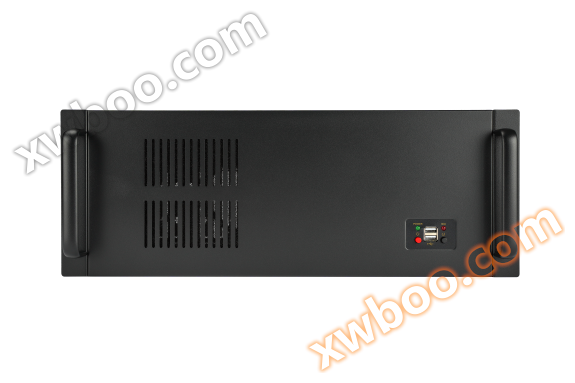
4-channel platform decoder
A decoding server refers to a server device specifically used for decoding, processing, transcoding, and outputting decoded video data to display devi
Product details
-
1. Multi channel decoding output: It has the ability to decode and output 1-16 video signals simultaneously, and can process multiple video signal streams. The total decoding channels of the machine are up to 81, providing a solid foundation for large-scale video surveillance and display applications. In the field of video surveillance, multiple video signals from different monitoring areas can be decoded in parallel to meet the real-time monitoring needs of multiple screens.
2. Subtitle strip screen display: Supports virtual subtitle strip screen display, which can display custom information on the video output screen in the form of text overlay through built-in subtitle editing software or system integration interface, such as monitoring area identification, event prompts, time and date, etc., enhancing the comprehensiveness and intuitiveness of information display.
3. Desktop streaming output: It has the function of desktop streaming video output. Through specific protocols (such as RTMP, RTSP, etc.), it can capture and encode real-time images of the computer desktop into a video stream, transmit it to the decoder for decoding and output, and is suitable for screen sharing needs in remote meetings, teaching and training scenarios.
4. Display device splicing: It has the function of splicing any display device, and can process the decoded video signal through advanced image splicing algorithms to achieve seamless splicing of multiple display devices (such as LCD screens, projectors, etc.), building large-scale, high-resolution display walls, widely used in monitoring command centers, exhibitions, and other places.
5. System contingency plan management: supports the creation, storage, and quick retrieval of N system contingency plans. Users can pre-set various parameter combinations, including video source selection, display layout, subtitle content, etc., according to different application scenarios to form a system contingency plan. In practical use, simple operation instructions can quickly switch to the required contingency scenario, greatly improving the system's response speed and operational convenience.
6. High definition video input: Supports N remote or local high-definition video inputs, only accepts network high-definition video signals, not compatible with analog signal input. Capable of accessing high-definition cameras, video servers, and other devices that comply with industry standards (such as H.264, H.265 encoding formats) to output video streams, ensuring high-quality and high-resolution input videos.
7. Encoding format compatibility: It can input and output multiple encoding device streams, whether it is common H.264, H.265 encoding formats, or other encoding formats that comply with international standards. The decoder can achieve efficient stream parsing and conversion, ensuring interconnection and data exchange between different devices.
8. Complex display operations: Supports a series of complex display functions such as splicing, windowing, stacking, roaming, and cross screen display. Through a professional image processing engine, video windows can be adjusted in size, moved in position, and layered on a spliced display wall, providing users with flexible and diverse visualization solutions. At the same time, it also supports functions such as arbitrary splicing, arbitrary fusion, arbitrary segmentation, arbitrary roaming, arbitrary window opening, arbitrary switching, arbitrary rotation, and arbitrary stretching, further expanding the creative space and application flexibility of display layout.
-
WEM-CMS3000MT/D/4
 1. Multi channel decoding output: It has the ability to decode and output 1-16 video signals simultaneously, and can process multiple video signal streams. The total decoding channels of the machine are up to 81, providing a solid foundation for large-scale video surveillance and display applications. In the field of video surveillance, multiple video signals from different monitoring areas can be decoded in parallel to meet the real-time monitoring needs of multiple screens.
2. Subtitle strip screen display: Supports virtual subtitle strip screen display, which can display custom information on the video output screen in the form of text overlay through built-in subtitle editing software or system integration interface, such as monitoring area identification, event prompts, time and date, etc., enhancing the comprehensiveness and intuitiveness of information display.
3. Desktop streaming output: It has the function of desktop streaming video output. Through specific protocols (such as RTMP, RTSP, etc.), it can capture and encode real-time images of the computer desktop into a video stream, transmit it to the decoder for decoding and output, and is suitable for screen sharing needs in remote meetings, teaching and training scenarios.
4. Display device splicing: It has the function of splicing any display device, and can process the decoded video signal through advanced image splicing algorithms to achieve seamless splicing of multiple display devices (such as LCD screens, projectors, etc.), building large-scale, high-resolution display walls, widely used in monitoring command centers, exhibitions, and other places.
5. System contingency plan management: supports the creation, storage, and quick retrieval of N system contingency plans. Users can pre-set various parameter combinations, including video source selection, display layout, subtitle content, etc., according to different application scenarios to form a system contingency plan. In practical use, simple operation instructions can quickly switch to the required contingency scenario, greatly improving the system's response speed and operational convenience.
6. High definition video input: Supports N remote or local high-definition video inputs, only accepts network high-definition video signals, not compatible with analog signal input. Capable of accessing high-definition cameras, video servers, and other devices that comply with industry standards (such as H.264, H.265 encoding formats) to output video streams, ensuring high-quality and high-resolution input videos.
7. Encoding format compatibility: It can input and output multiple encoding device streams, whether it is common H.264, H.265 encoding formats, or other encoding formats that comply with international standards. The decoder can achieve efficient stream parsing and conversion, ensuring interconnection and data exchange between different devices.
8. Complex display operations: Supports a series of complex display functions such as splicing, windowing, stacking, roaming, and cross screen display. Through a professional image processing engine, video windows can be adjusted in size, moved in position, and layered on a spliced display wall, providing users with flexible and diverse visualization solutions. At the same time, it also supports functions such as arbitrary splicing, arbitrary fusion, arbitrary segmentation, arbitrary roaming, arbitrary window opening, arbitrary switching, arbitrary rotation, and arbitrary stretching, further expanding the creative space and application flexibility of display layout.
Online inquiry
-
Contacts
-
Company
-
Telephone
-
Email
-
WeChat
-
Verification Code
-
Message Content
-